Exercise before and after knee replacement surgery: Why prehab and rehab matter most
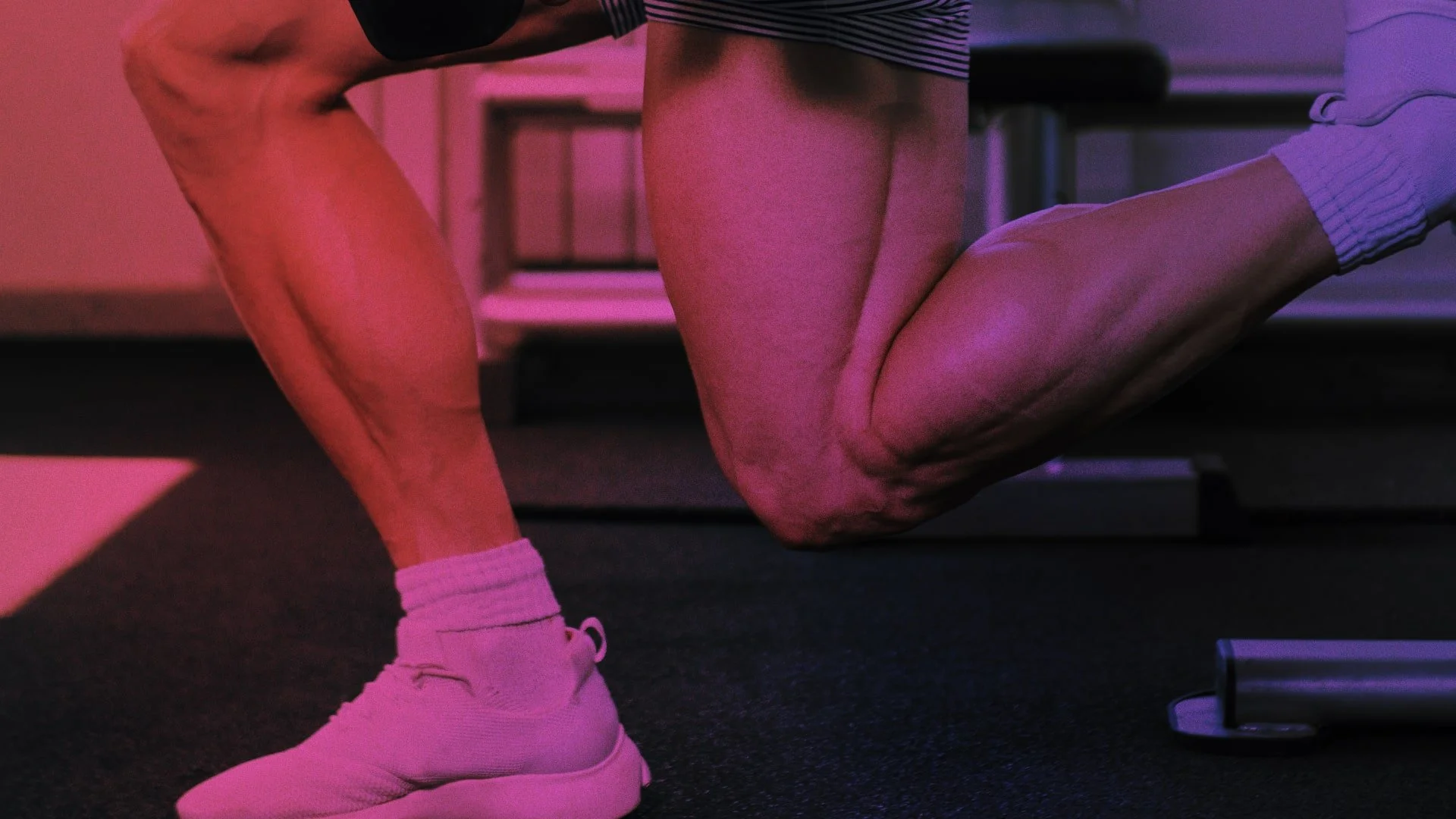
Knee replacements are now incredibly common — especially for active adults who want to stay mobile, pain-free, and able to train for years to come.
But here’s what most people don’t realise. The success of your knee replacement is heavily influenced by what you do before and after surgery. That is where structured prehab and rehab come in.
Whether you’re preparing for surgery or rebuilding strength afterwards, the right approach can dramatically speed up healing, reduce pain, and help you return to the life you want — walking, running, training, adventuring.
At Tribe Sweat, we specialise in guiding people through every step of the process.
So what is Prehab?
Prehab is the tailored exercise programme you follow before your knee replacement surgery to prepare the joint and surrounding tissues.
Prehab is vital in giving you the best opportunity to set you up for a successful knee replacement. Studies have shown that people who complete rehab:
- Recover faster
- Experience less pain after surgery
- Regain mobility sooner
- Reduce complications
- Need fewer physiotherapy sessions post-op
At Tribe Sweat, we work on the principle of “Stronger in, Stronger out”. If you go into surgery weak, it is the same as starting a marathon dehydrated. Your body has a lot more work to do once the operation is done. Stronger muscles accelerate recovery. Weak muscles are going to slow it down.
The main goals of prehab at Tribe Sweat are to:
- Strengthen the quads, hamstrings and glute muscles sufficiently
- Improve hip stability to reduce strain on the knee
- Practice movement patterns that are likely to become difficult in the immediate time after surgery
- Gentle mobility work for knee and hip
- Swelling management and circulation exercises
What happens after surgery?
A knee replacement is not the finish line; it is the start point of your recovery!
At Tribe Sweat, we split your recovery into 3 phases:
1. Early post op
- Reduce swelling
- Restoring mobility
- Gentle activation of quads and glutes
- Return to walking
2. Building Strength
- Regaining strength in quads, hamstrings, and hips
- Improve balance
- Increase knee flexion and extension
- Increase walking tolerance
3. Returning to full function
- Rebuilding full lower body strength
- Improve movement patterns
- Preparing for life work or sport
Why strength training matters more than you think
Replacing the knee does not replace the strength, coordination, stability, or movement control. Replacing the knee provides a new foundation to build these skills. This is why rehab goes beyond knee exercises, and involves other areas of the body at the right time:
- Glutes for stability
- Hamstrings to support the knee capsule
- Quads for shock absorption
- Calves for push off and balance mechanisms
The do’s and don’t after knee replacements
It is vital that you follow a structured plan before and after your knee replacement. It is important to manage swelling and build strength.
It is important to not skip the ‘boring’ early rehab exercises or assume that the knee will work on its own after the replacement. It is vital that you continue to build and maintain strength in your new knee, to provide longevity and function that you are looking for.
At Tribe Restore, we provide prehab programmes tailored to your surgery date. We combine this with our sports therapy services to relieve pain and stiffness that come with pain before your operation and post operation. Once the replacement is done, we can provide strength sessions to rebuild your confidence and get you back to training again.
A knee replacement can give you your life back, but only if you support it with the right prehab and rehab. The stronger, more mobile, and more confident you become, the better your long-term outcomes will be.
And that’s exactly what tribe restore is here for.