How to Get the Benefits of Personal Training at a Fraction of the Cost
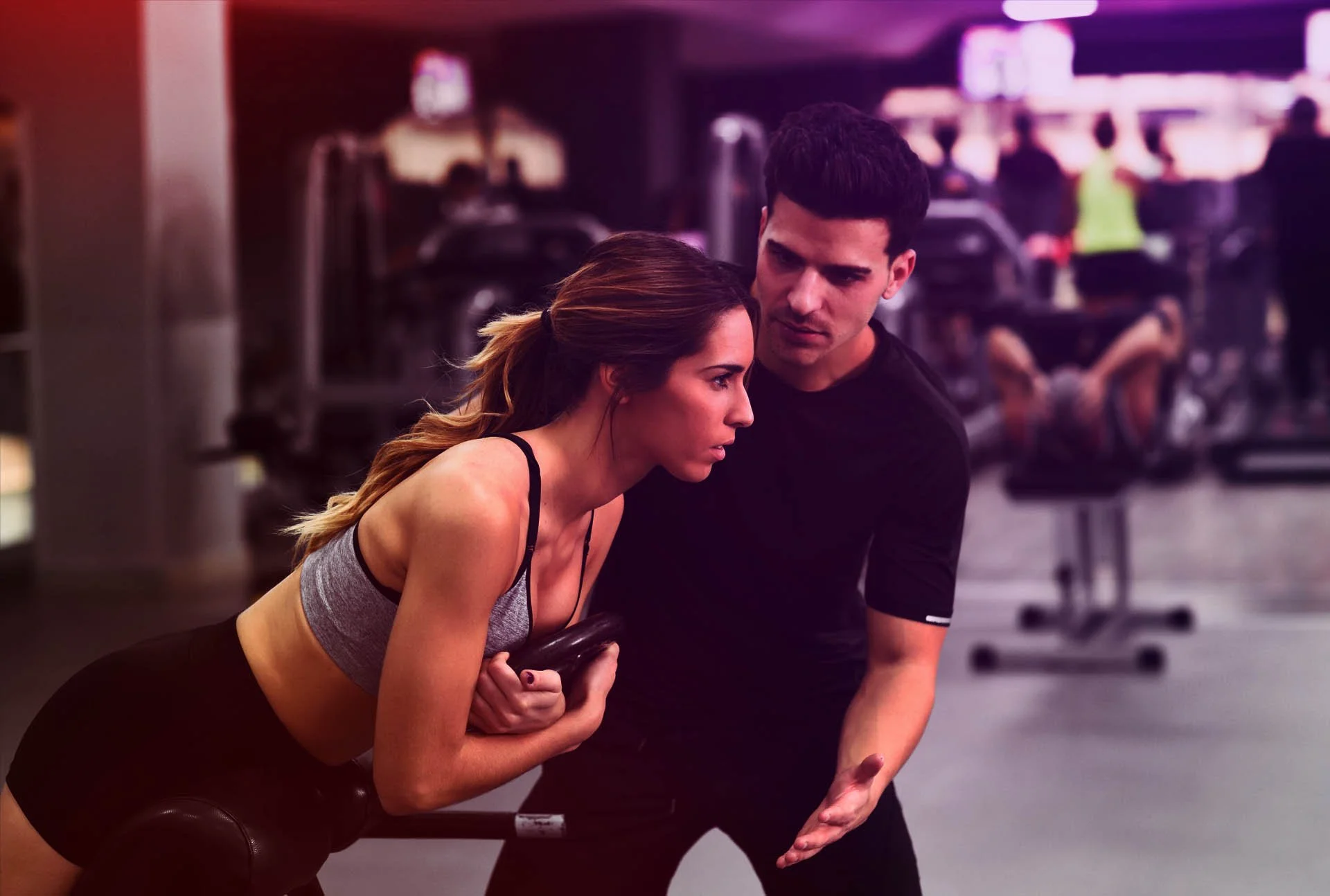
Personal training has long been viewed as one of the most effective ways to improve fitness, maintain health, and achieve specific physical goals. The challenge for many busy professionals is that traditional one-to-one coaching can be expensive, making it difficult to sustain over the long term. At the same time, generic gym memberships often fail to provide the structure, accountability, and expert guidance needed to produce consistent results. This has created growing interest in training models that deliver many of the benefits of personal training while reducing the financial commitment.
For people who care about health, longevity, and maintaining physical capability as they age, finding a sustainable approach matters. The most effective training plan is rarely the most advanced or intensive. It is usually the one that can be followed consistently for years rather than weeks. Understanding how shared personal training works and where it sits between traditional personal training and large group fitness classes can help individuals make a more informed decision about their long-term health investment.
Key Takeaways
Small group personal training with a maximum of three clients per coach preserves core elements of individual coaching, including programme personalisation, technique correction, and progress tracking, while reducing cost by sharing coach time across participants.
Training outcomes are driven less by motivation and more by structured accountability, with both coach oversight and consistent group attendance significantly improving adherence to long-term exercise habits.
Unlike large fitness classes that rely on standardised programming, small group coaching allows individuals with different goals and fitness levels to train simultaneously while still receiving tailored guidance.
The most effective approach for health and longevity is not maximum intensity or exclusivity, but a sustainable training model that can be maintained consistently over many years without financial or logistical strain.
Shared coaching models bridge the gap between expensive one-to-one training and generic group exercise, offering a balanced solution for professionals seeking efficiency, structure, and long-term health outcomes.
Why Personal Training Produces Better Outcomes Than Going It Alone
Many people understand what they should be doing to improve their health. They know they should exercise regularly, build strength, improve cardiovascular fitness, and maintain a healthy body composition. The difficulty is often turning knowledge into consistent action.
Personal training provides several advantages that improve adherence and outcomes. A qualified coach can design an appropriate programme, ensure exercises are performed safely, adjust training based on progress, and provide accountability. Research consistently shows that supervision increases exercise adherence and training effectiveness compared with unsupervised exercise.
For busy professionals, this support becomes particularly valuable. Demanding careers, family commitments, and limited free time mean that every training session needs to be productive. A well-structured programme removes uncertainty and reduces the likelihood of wasted effort.
The challenge is that one-to-one coaching requires significant coach time, which naturally increases cost. While many people recognise the value, not everyone can justify the ongoing expense required to maintain it indefinitely.
The Gap Between Traditional Personal Training and Group Fitness
Most people choose between two extremes. At one end is private personal training, where one coach works exclusively with one client. At the other end are large group fitness classes containing anywhere from ten to forty participants.
Both models have strengths and weaknesses. Individual coaching offers maximum attention and personalisation but comes at a premium price. Large group classes are affordable but often require participants to fit around a standardised programme designed for the average attendee.
This creates a gap in the market. Many individuals want coaching, accountability, and programme design but do not necessarily require a coach’s undivided attention for an entire session.
A shared personal training model addresses this gap by allowing a small number of participants to train under the guidance of one coach simultaneously. When managed correctly, this approach can preserve many of the advantages of personal training while distributing costs across several people.
How Small Group Personal Training Delivers Personalised Coaching
The effectiveness of shared personal training depends heavily on group size. A session containing twenty people operates very differently from a session containing three.
With a maximum of three participants per coach, there is still sufficient opportunity for individual programme design, exercise modification, technique coaching, and progress monitoring. Each participant can follow a programme aligned with their goals, fitness level, injury history, and training experience.
For example, one person may be working on strength development, another may be focused on improving mobility and reducing back pain, while a third is preparing for a half marathon. All three can train during the same session while receiving relevant coaching input.
This differs significantly from traditional circuit classes where everyone performs the same exercises regardless of individual requirements.
The Financial Advantage of Shared Coaching
Cost is often the most obvious benefit of small group personal training. Because coaching time is shared across multiple participants, the cost per session is reduced without eliminating professional support.
This creates an important distinction. Lower cost does not necessarily mean lower value. In many cases, value improves because participants retain access to expertise, accountability, and structured programming while spending less overall.
For individuals focused on long-term health, affordability matters because longevity is a long-term project. A programme that can be sustained for years is generally more beneficial than an expensive option that becomes financially difficult to maintain after a few months.
The objective should not simply be finding the cheapest form of exercise. It should be finding the highest level of support that remains sustainable within a realistic lifestyle budget.
Why Accountability Matters More Than Motivation
One common misconception is that success depends primarily on motivation. In reality, motivation fluctuates constantly. Even highly disciplined professionals experience periods when exercise becomes less appealing.
Accountability often plays a much larger role. Knowing that a coach is monitoring progress and expecting attendance creates a level of commitment that many people struggle to replicate alone.
Small group personal training adds another dimension through social accountability. Training alongside the same small group regularly can create positive habits and stronger consistency. Participants often encourage one another while still pursuing individual goals.
This combination of professional accountability and peer support can be particularly effective for maintaining long-term exercise adherence.
Common Misconceptions About Shared Personal Training
Several misconceptions prevent people from considering small group coaching.
The first is the belief that individualisation disappears when more than one person is present. This may be true in larger classes but is not necessarily true in very small groups where programmes remain personalised.
The second misconception is that coaching quality declines significantly. In reality, a coach managing two or three people can still provide substantial feedback, technical instruction, and progress tracking throughout a session.
A third misconception is that everyone must be at the same fitness level. Effective small group coaching allows beginners, intermediates, and experienced exercisers to train together while following different programmes.
The quality of the coaching model matters far more than the number of people in the room.
What This Means for Long-Term Health and Longevity
For health-conscious professionals, exercise should be viewed as a long-term strategy rather than a short-term intervention. Strength training, cardiovascular fitness, mobility, balance, and physical resilience all contribute to healthy ageing and quality of life.
The challenge is maintaining these behaviours consistently over decades. Programmes that are too expensive, too time-consuming, or too dependent on motivation often fail to deliver lasting results.
Small group personal training offers a practical middle ground. It provides structure, coaching expertise, accountability, and personalisation while remaining more financially accessible than traditional one-to-one coaching.
This can make professional guidance available to a broader range of people who value their health but also need to balance competing demands on their time and resources.
Building a Sustainable Approach to Fitness
The most effective fitness solution is rarely the most extreme option available. Sustainable progress comes from consistently applying sound training principles under appropriate guidance.
Personal training remains one of the most effective ways to improve fitness and health outcomes, but cost can be a barrier for many people. Small group personal training, particularly when limited to a maximum of three participants per coach, provides a practical alternative that preserves many of the benefits of individual coaching while reducing financial commitment. For busy professionals focused on health and longevity, this balance of expertise, accountability, personalisation, and affordability can create a sustainable framework for lifelong fitness.
Frequently Asked Questions
-
Each participant follows an individually designed programme, and the coach rotates attention between clients to provide feedback, adjustments, and progression tailored to their goals and ability level.
-
For most general health, strength, and longevity goals, effectiveness is broadly comparable when programming quality and coaching attention are maintained, though elite or highly specialised goals may still benefit from individual coaching.
-
Strength development, fat loss, general fitness, injury rehabilitation support, and long-term health maintenance all work well in small group environments due to the balance of structure and flexibility.
-
Yes, because the coach manages each individual separately within the same session, adjusting exercises, loads, and progressions based on each person’s capability and training history.
-
Costs are generally significantly lower because the coach’s time is shared across multiple participants, allowing access to professional coaching at a reduced per-person rate while maintaining structured programming.
-
Progress is not inherently slower, as outcomes depend more on consistency, programme quality, and adherence than on exclusive coach attention during every minute of training.