Muscle vs. Fat: Why the Scale Is Lying to You
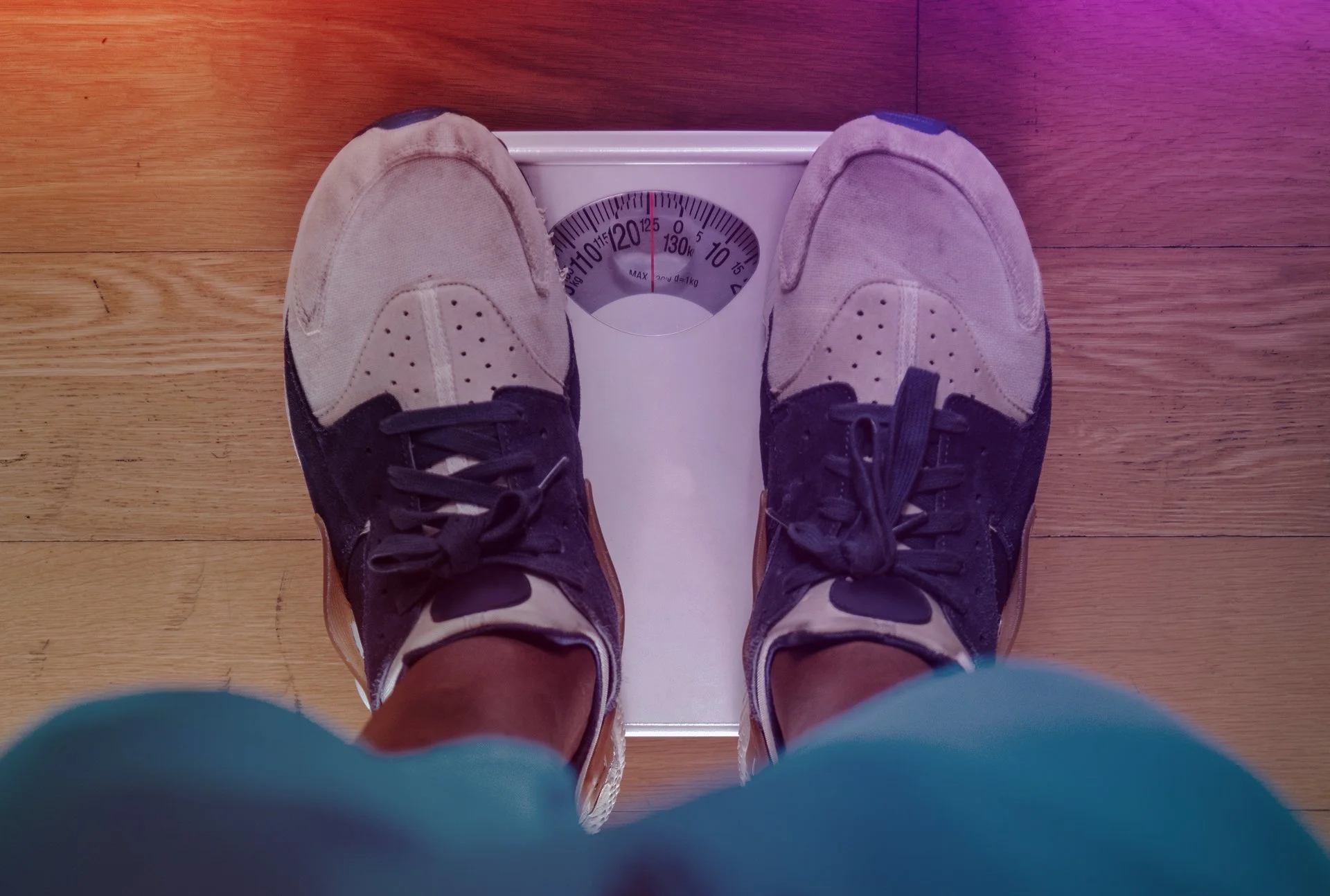
The scale is "lying" to you because it measures total body mass (bones, water, organs, muscle, and fat) rather than body composition. Muscle is significantly more dense than fat; one kilogram of muscle occupies approximately 15% to 20% less space than one kilogram of fat. Consequently, during a phase of Body Recomposition, you can lose significant inches and drop clothing sizes while the scale remains stagnant. At Tribe Sweat, we prioritise tracking Skeletal Muscle Mass (SMM) via the InBody 270 to ensure you are losing fat, not just weight.
Introduction: The Morning Ritual of Frustration
For millions of people, the day begins with a ritual of self-judgment: stepping on a bathroom scale. If the number is lower than yesterday, it’s a "good day." If it’s higher, it’s a "bad day," often leading to a spiral of restrictive eating or a skipped workout. But what if that number was the least important data point in your fitness journey? At Tribe Sweat, we see it every week. A member walks in for their monthly InBody 270 scan, looking visibly leaner, their clothes fitting better, and their energy levels soaring. They step on the scale and see that they weigh exactly the same as they did 30 days ago. Without the right data, they would see this as a failure. With our data, we see it as a triumph of Body Recomposition. It’s time to stop letting a simple measurement of gravity dictate your self-worth. It’s time to understand the difference between "losing weight" and "losing fat."
1. The Density Debate: Muscle vs. Fat You’ve likely heard the phrase "muscle weighs more than fat." Scientifically, this is a myth. A kilogram of lead weighs the same as a kilogram of feathers. The difference lies in density and volume. The Visualisation Imagine a kilogram of fat. It is bulky, yellow, and lumpy—roughly the size of a small grapefruit. Now imagine a kilogram of muscle. It is lean, dense, and compact—roughly the size of a tangerine. Because muscle is so much denser, it takes up much less space in your body. This is why you can stay the same weight but look completely different in the mirror. When you build Skeletal Muscle Mass (SMM) and lose body fat simultaneously, you are effectively "shrinking" your physical footprint while maintaining your mass. 2. The InBody 270: Seeing Under the Skin In our 1-2-1 and Shared Personal Training sessions, we use the InBody 270 to give you the "truth" behind the weight. A standard scale tells you that you weigh 80kg. The InBody tells you what those 80kg are made of. Skeletal Muscle Mass (SMM) SMM is the muscle you can actually grow through training. It is your "Metabolic Engine." The more SMM you have, the higher your Basal Metabolic Rate (BMR)—meaning you burn more calories just by existing. Body Fat Mass This is the total weight of fat in your body. Our goal is rarely to see "weight loss" (which often includes losing water and muscle); our goal is Fat Mass loss. If the scale stays at 80kg, but your SMM has gone up by 2kg and your Fat Mass has gone down by 2kg, you are a metabolic powerhouse compared to where you started. You have successfully "traded" bulky fat for compact, functional muscle.
3. Why the Scale Fluctuates (The "Noise" in the Data)
If you weigh yourself every day, you aren't tracking fat loss; you are tracking inflammation and hydration. Your scale weight can fluctuate by 1–3kg in a single day due to: * Glycogen Storage: For every gram of carbohydrate you store in your muscles (glycogen), your body pulls in 3 to 4 grams of water. A high-carb meal can "spike" the scale without adding a single gram of fat. * Inflammation and Repair: A tough session at Tribe Sweat causes micro-tears in your muscles. To repair them, your body sends fluid to the area. This "healing water" shows up on the scale as weight gain. * Cortisol and Stress: High stress leads to water retention. If you are over-training or under-sleeping, your scale weight might stay high even if you are in a calorie deficit. * Salt Intake: Sodium holds water. That "weight gain" after a salty dinner is just your body maintaining Homeostasis.
4. The "Skinny-Fat" Trap
The danger of worshiping the scale is that it often leads to "Skinny-Fat" syndrome. If you focus solely on making the number go down, you will likely slash calories too low and skip resistance training. The result: Your body burns muscle for fuel because muscle is "metabolically expensive" to keep. You might lose 10kg on the scale, but if 5kg of that was muscle, your body fat percentage might actually be higher than when you started. You will look "softer," feel weaker, and your metabolism will have slowed down significantly—making it almost certain that you will gain the weight back.
5. Non-Scale Victories (NSVs): The True Markers of Progress
At Tribe Sweat, we teach our members to look for Non-Scale Victories. These are the indicators that your Body Composition is changing for the better: * Clothing Fit: This is the most honest scale in the world. If your waist is smaller but your weight is the same, you are winning. * Strength Gains: If you are deadlifting more than you were last month, you are building muscle. Muscle is the "Life Insurance" policy for your Longevity. * Energy Levels: Fat doesn't provide much "ready-to-use" energy for your brain. Muscle and a healthy metabolism do. If you no longer have the 3 PM slump, your biology is improving. * Recovery from Injury: For those in our Injury Management program, the ability to move without Back Pain is a far greater success than a 2kg drop on the scale.
6. Training for Recomposition
To make the "Scale Lie" work in your favour, you need a specific training stimulus. You cannot "cardio" your way into a better body composition. * Resistance Training: You must lift weights to signal to your body that muscle is necessary. Our Shared PT model is designed to provide the progressive overload needed to build SMM. * Protein Priority: Muscle is made of protein. If you don't eat enough, your body will cannibalise its own tissue. * Patience: Body recomposition (gaining muscle while losing fat) is slower than "starvation dieting," but it is the only way to achieve a permanent change.
7. Longevity: Why Muscle is Your Fountain of Youth
As we discuss in our Biological Age articles, muscle mass is the #1 predictor of how well you will age. It protects your joints, prevents falls, and keeps your insulin sensitivity high. If you spend your 40s and 50s chasing a lower number on the scale by doing endless cardio and eating "light," you are essentially aging your body prematurely. By embracing the "weight" of muscle, you are investing in a future where you are capable, mobile, and metabolically healthy.
Conclusion: Break Up with Your Scale The scale is a tool, but it’s a poorly calibrated one for the modern athlete. It doesn't see your hard work in the gym, it doesn't see your improved posture, and it doesn't see your increasing strength. At Tribe Sweat, we want you to step off the scale and look at the data that matters. Focus on your InBody trends, focus on your strength, and focus on how you feel. When you stop chasing "thin" and start chasing "strong," the body you’ve always wanted tends to show up on its own.