The 7 Most Common Gym Injuries — And How to Fix Them Fast
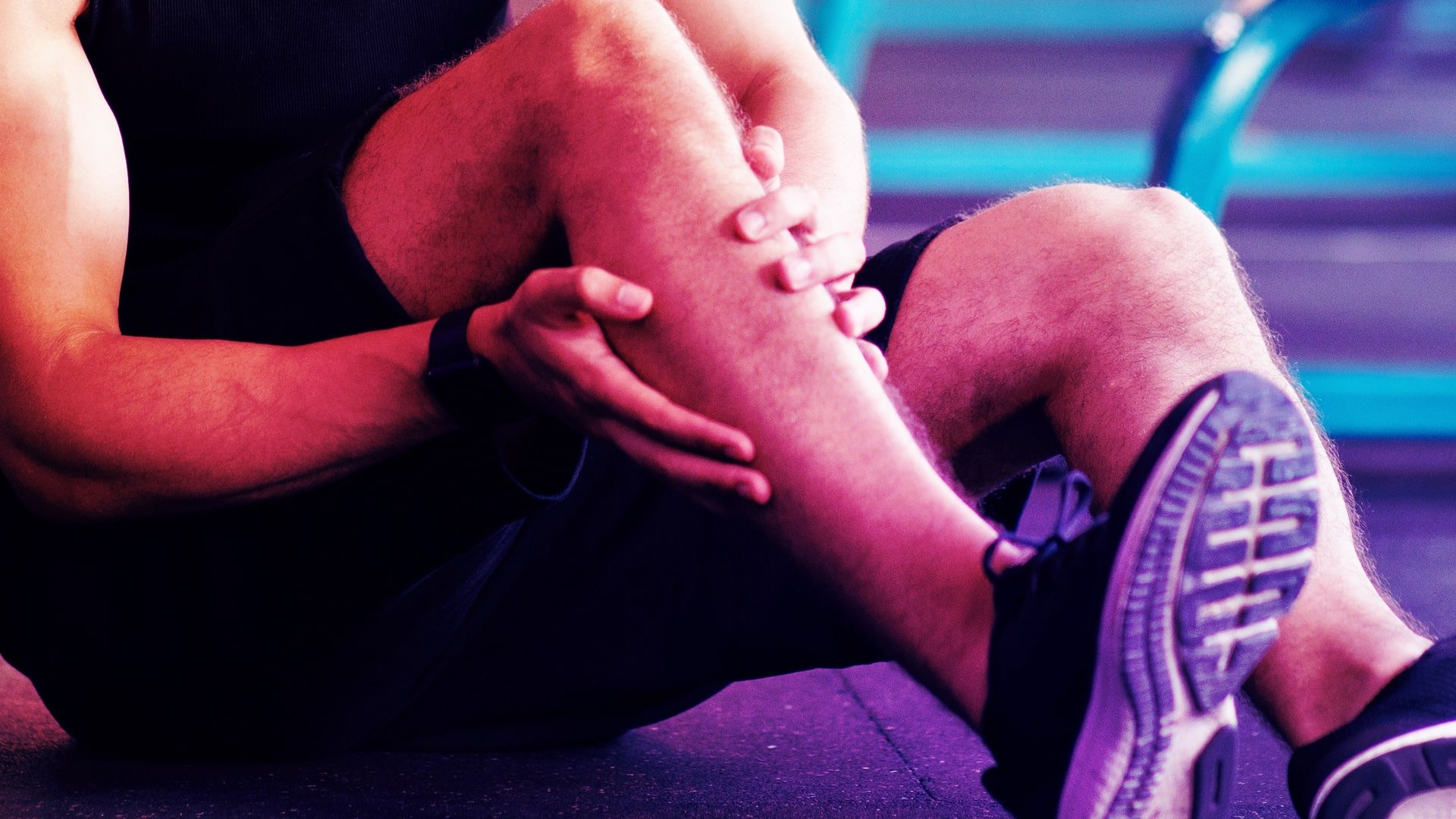
Whether you’re new to training or a long-term gym regular, injuries happen — but most can be avoided with the right approach. At Tribe Restore, we see the same patterns again and again: tightness, imbalances, poor technique, and pushing too hard too soon.
Here are the 7 most common gym injuries and, more importantly, how to fix them fast so you can get back to training pain-free.
1. Shoulder Impingement
Shoulder pain is one of the most frequent issues we treat.
It usually shows up as a sharp pinch during overhead presses, bench pressing, or even reaching behind you.
Why it happens
• Poor scapula stability
• Overactive chest, underactive upper back
• Limited thoracic mobility
• Too much pressing, not enough rowing
Fast Fix
• Reduce overhead work temporarily
• Strengthen rotator cuff + upper back
• Improve thoracic rotation
• Switch to neutral-grip pressing
When to see Tribe Restore
If lifting your arm still causes pain after 5–7 days.
2. Lower Back Strain
Lower back pain is massively common in gym-goers — usually from bending or lifting poorly.
Why it happens
• Rushing heavy deadlifts or squats
• Weak glutes and core
• Excessive lumbar extension
• Poor hip mobility
Fast Fix
• Pause heavy hinge work
• Gentle mobility (cat-cow, 90/90 hip stretch)
• Core activation exercises
• Rebuild hinge technique slowly
When to see Tribe Restore
If pain radiates down the leg, or if bending is painful.
3. Knee Pain (Patellofemoral Syndrome)
This usually shows up as pain around or behind the kneecap during squats, lunges, or stairs.
Why it happens
• Quad dominance
• Weak glutes
• Poor tracking
• Limited ankle mobility
Fast Fix
• Strengthen glutes (especially glute med)
• Reduce deep knee flexion temporarily
• Improve ankle mobility
• Use tempo squats for control
When to see Tribe Restore
If pain increases after each gym session or you feel instability.
4. Ankle Sprains
Ankle sprains happen both in and out of the gym, but weak ankles are often exposed during plyometrics, running, or lunges.
Why it happens
• Poor ankle stability
• Old, untreated sprains
• Lack of proprioception
• Rapid direction changes
Fast Fix
• Rest + compression
• Gentle range of motion
• Balance + stability work
• Gradual return to impact
When to see Tribe Restore
If swelling or instability lasts more than 2–3 days.
5. Tendonitis (Elbows / Knees)
Known as “tennis elbow”, “golfer’s elbow”, or patellar tendonitis.
Why it happens
• Repeated loading
• Not enough recovery
• Poor movement mechanics
• Weak supporting muscles
Fast Fix
• Reduce volume temporarily
• Isometric holds
• Slow tempo eccentrics
• Grip + forearm strengthening
When to see Tribe Restore
If the tendon feels hot, swollen, or painful under load.
When to Seek Professional Help
Some injuries respond well to rest and mobility work. Others need hands-on treatment, movement assessment, and tailored rehab.
Seek help if:
• Pain lasts longer than 5–7 days
• You keep getting the same injury
• Pain affects daily life
• There’s swelling, numbness, or weakness
At Tribe Restore, we combine:
• Acupuncture/Dry Needling
• Manual therapy
• Sports massage
• Rehab programming
• Movement assessment
• Strength testing
To get you back training quickly and safely.
How to Prevent Gym Injuries
The best injury is the one that never happens.
Focus on:
- Proper warm-up - Dynamic movement > static stretching
- Balanced training – focus on a balance between key movement patterns, Push + pull, Hinge + squat, Anti-Rotation and Anti-Extension core.
- Good technique - Slow reps. Control. Intentional movement.
- Mobility work - Especially shoulders, hips, and ankles.
- Strengthening weak links - Glutes, core, upper back, rotator cuff.
Final Thoughts
Injuries don’t mean stopping — they mean training smarter. If you’re currently struggling with pain, or want a preventative check-in, Tribe Restore offers:
• Injury treatment
• Corrective exercise
• Movement analysis
• Personalised rehab plans
• Sports therapy + hands-on treatment
Contact us to book an appointment for your sports injury, let us get you back to to getting and staying strong, healthy and pain-free.