Why Does My Lower Back Hurt When I Deadlift? (And How to Fix It)
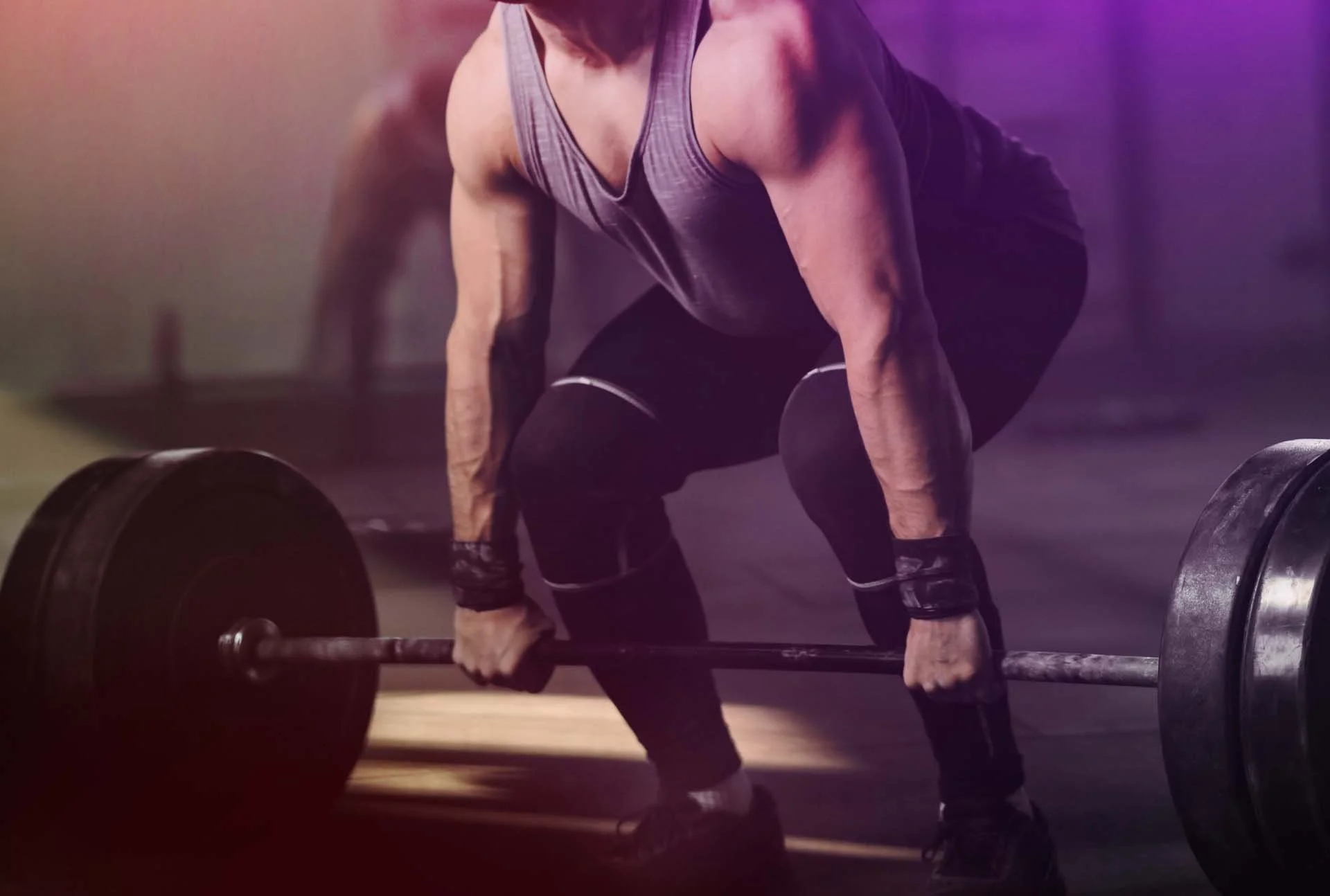
Lower back pain during a deadlift is usually caused by spinal flexion under load or a lack of hip hinge proficiency. When the hips lack mobility or the core fails to create sufficient intra-abdominal pressure, the lumbar spine (lower back) rounds, shifting the mechanical stress from the glutes and hamstrings onto the spinal discs and erector spinae muscles. To fix this, lifters must master the "Hip Hinge," ensure "Lat Tension" to protect the upper back, and utilize proper "Bracing" techniques to create a rigid, protected spine.
Introduction: The Fear of the Deadlift
The deadlift is often called the "King of Exercises," yet it is also the most feared. We’ve all seen it: someone reaches for a heavy barbell, their back rounds like a frightened cat, and they spend the next week hobbling with a heat pack. At Tribe Sweat, we hear it constantly: "I can’t deadlift, I have a bad back." Our response is usually provocative: "You don't have a bad back; you have a bad hinge." The deadlift is not a "back exercise"—it is a full-body expression of power that uses the back as a stabiliser. If your back hurts, it’s usually because it’s trying to do the job of your glutes. This guide breaks down exactly why your back is screaming and how we fix it in our 1-2-1 and Shared Personal Training sessions.
1. The "Hinge" vs. The "Squat"
The most common technical error in the deadlift is "squatting" the weight. Because many people feel more comfortable in a squat, they drop their hips too low and push their knees too far forward. The Result: The bar has to travel around the knees. This pushes the weight further away from your centre of gravity. In physics, the further a weight is from your body, the "heavier" it becomes for your lower back. By mastering the Hip Hinge—pushing the hips back while keeping the shins vertical—you keep the bar close to your shins, drastically reducing the shearing force on your lumbar spine.
2. Lack of "Lat Tension" and the "Upper-Back Collapse"
You might think your lower back pain starts in your lower back. Often, it actually starts in your shoulders. Your Latissimus Dorsi (Lats) are the largest muscles in your upper body and they connect directly to your Thoracolumbar Fascia (the thick tissue in your lower back). If your lats are "soft" during a deadlift: * Your upper back rounds. * The bar drifts forward. * Your lower back has to "rescue" the lift to keep you from falling over. The Fix: We coach our members to "pull the bar into their shins" and "squeeze oranges in their armpits" before the bar even leaves the floor. This "pre-tensions" the entire posterior chain, creating a natural corset of muscle that protects the spine.
3. The "Butt Wink" and Pelvic Tilt
A "Butt Wink" (posterior pelvic tilt) occurs when the pelvis tucks under at the bottom of the movement. This often happens because of limited hip mobility or "short" hamstrings. When the pelvis tucks, the lower back must round. Lifting heavy weight in this "flexed" position puts immense pressure on the intervertebral discs. On a body composition scan, we often see that members with chronic back pain have a "Segmental Lean Analysis" that shows lower-than-average leg strength. Their legs aren't strong enough to hold the position, so the back takes over.
4. Poor Bracing: The "Soda Can" Analogy
Imagine an empty soda can. If you step on it, it crushes instantly. Now imagine a full, unopened soda can. You can stand on it, and it won't budge. Why? Internal Pressure. Most lifters "suck their stomach in" when they lift. Sometimes this works, but when lifting heavier weights, we want to encourage the opposite method, known as the Intra-Abdominal Pressure (IAP) technique. * The Method: Take a big breath into your belly (not your chest), and "push" your abs out against your waistband. * The Result: This creates a rigid cylinder of pressure that supports the spine from the inside out. Without this, your lower back is an "empty can" waiting to be crushed.
5. The "Ego" Trap: Weight vs. Range
In our Injury Treatment and Management protocol, we often find that the "floor" is the problem. Not everyone has the limb lengths or mobility to pull a barbell from the standard height of the floor. If you must round your back just to reach the bar, you are starting in a compromised position. At Tribe Sweat, we understand every client is different, and we aren’t afraid to adjust our clients deadlift start positions, by modifying the start position of the bar, using different hinge variations, such as Block Pulls or Rack Pulls to raise the starting height of the bar. By shortening the range of motion to fit your anatomy, we allow you to build incredible strength without the "Day After" back ache.
6. Recovery and Longevity: The body composition connection
Deadlifting is one of the best ways to improve your Body Composition. Because it recruits so many muscle groups, it creates a massive hormonal response that drives Skeletal Muscle Mass (SMM) growth. However, if your back hurts, you won't be consistent. And as we know, consistency beats intensity every time. * The Longevity Angle: A strong back is a young back. By learning to deadlift correctly, you are building the "functional armour" needed to prevent age-related fragility. You are not just lifting a bar; you are practicing how to pick up a suitcase, a grandchild, or a heavy box without injury.
7. How We Fix It at Tribe Sweat
If you struggle with back pain during deadlifts, we are here to help you. Every client, we strip their technique back to basics. Higher start positions, lighter weights, technique grooved. We utilise different variations and equipment, trap bars, straight bars, kettlebells are all tools in our kit to help us build strong spines and posterior chains.
Conclusion: The Deadlift as a Cure, Not a Cause
When done correctly, the deadlift is actually one of the best cures for back pain. It strengthens the glutes, hamstrings, and spinal erectors, creating a "shield" for your spine. If your lower back hurts when you deadlift, your body is giving you a signal that your technique or your mobility is lagging behind your strength. Listen to that signal. Stop "pulling" and start "hinging."