Alcohol and Fitness: Can You Really Have Both?
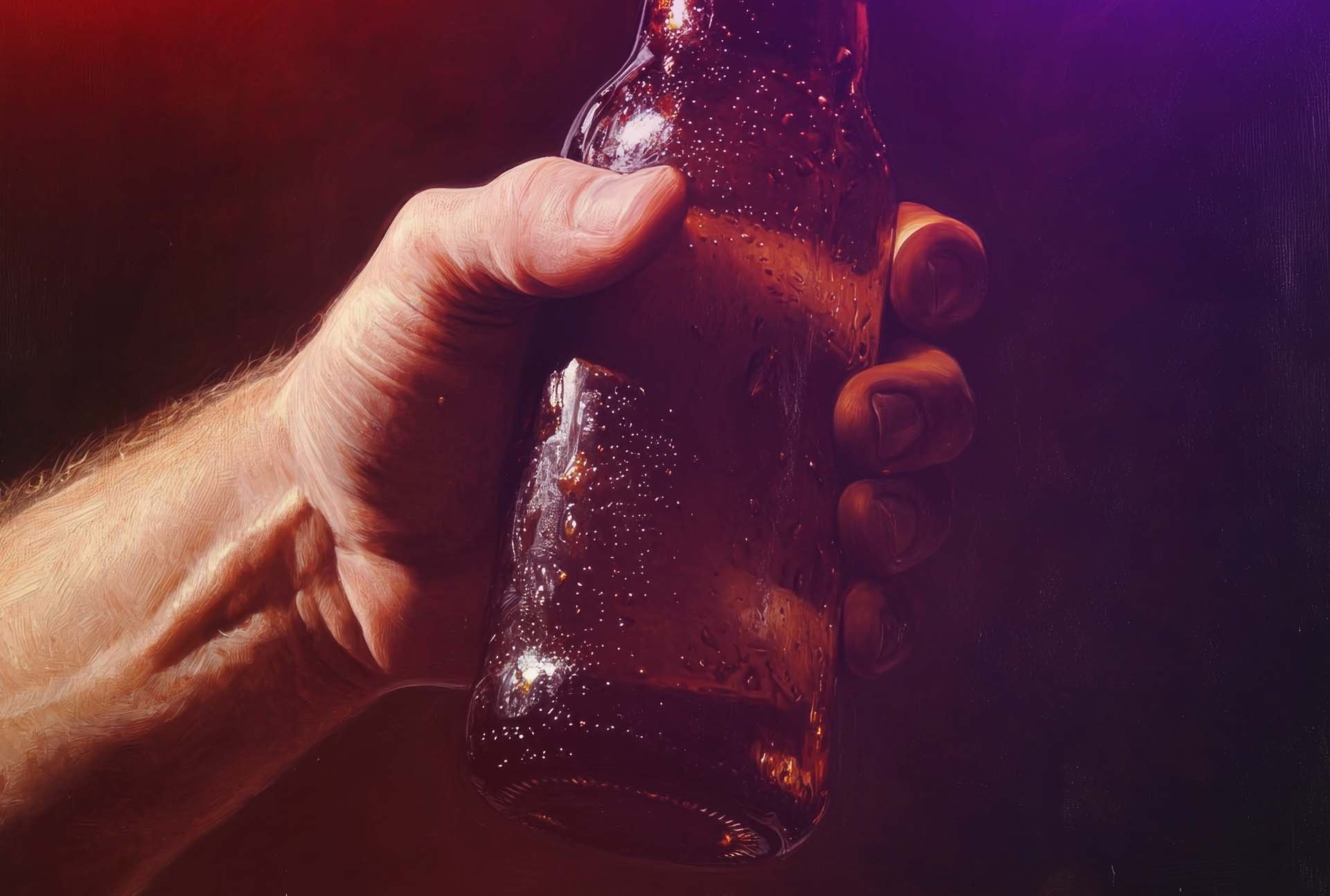
You can consume alcohol and maintain a high level of fitness, but it requires a strategic approach to energy balance and recovery management. Alcohol impacts fitness through three primary mechanisms: it provides "empty" calories (7 kcal/g) that prioritise fat storage, it temporarily inhibits Muscle Protein Synthesis (MPS) by up to 24%, and it severely disrupts Sleep Architecture, which is critical for hormonal health and fat loss. At Tribe Sweat, we recommend the "Moderation & Hydration" protocol: limiting intake to 1–2 days per week, choosing "Lower-Congener" drinks, and never sacrificing a workout or protein target for a night out.
Introduction: The "Dry" Dilemma
In the fitness world, alcohol is often treated as the ultimate villain. We are told that if we want to see Body Composition results or improve our Longevity, we must become teetotal.
But for many members of the Tribe, life happens. There are weddings, business dinners, and Friday nights with friends. The "all-or-nothing" approach—where you are either a "monk" or a "party animal"—is the enemy of consistency.
At Tribe Sweat, we take a pragmatic, science-based view. We know that while alcohol isn't exactly a "health food," it is a part of social reality. The question isn't whether you can have both; the question is how to manage the "biological tax" that alcohol imposes so it doesn't bankrupt your hard-earned progress.
1. The "Empty Calorie" Math: TDEE vs. Ethanol
Alcohol is technically the fourth macronutrient. While protein and carbs have 4 calories per gram, and fats have 9, alcohol (ethanol) has 7 calories per gram.
The Fat Storage Priority
The body views alcohol as a toxin. Because it cannot be stored in the body (unlike fat or glycogen), your liver prioritises breaking it down immediately.
* The "Pause" Button: When you drink, your body effectively "pauses" fat burning. If you eat a high-calorie meal (like pizza or a burger) while drinking, those food calories are far more likely to be stored as body fat because the body is too busy processing the alcohol.
* The InBody Impact: On an InBody 270 scan, chronic moderate drinking often shows up as stubborn Visceral Fat. This "internal" fat is the most dangerous for longevity and is a direct byproduct of the liver’s struggle to process alcohol and sugar simultaneously.
2. Muscle Protein Synthesis (MPS): The Growth Inhibitor
You’ve spent an hour in a Shared Personal Training session, pushing your limits to build Skeletal Muscle Mass (SMM). If you immediately go for three pints of beer, you are sabotaging your recovery.
The 24% Rule
Studies show that even with a high-protein meal, alcohol consumption can decrease Muscle Protein Synthesis by roughly 24% to 37%.
* What this means: You aren't necessarily "losing" muscle, but you are significantly "blunting" the signal to grow. You are doing 100% of the work in the gym but only getting 70% of the results.
* The Tribe Strategy: If you know you are going out on a Friday night, try to train on Friday morning or Thursday instead. Giving your body a 12-hour "recovery window" before introducing alcohol can help mitigate the damage to MPS.
3. The Hidden Killer: Sleep Architecture and Cortisol
Most people think alcohol helps them sleep. While it might help you fall asleep faster (sedation), it actually destroys the quality of that sleep.
* REM Suppression: Alcohol inhibits REM (Rapid Eye Movement) sleep, which is essential for cognitive function and emotional regulation.
* The Growth Hormone Crash: The majority of your natural Growth Hormone (the "Anabolic" hormone that burns fat and builds muscle) is released during deep sleep. Alcohol can slash this release by up to 70%.
* Cortisol Spike: The day after drinking, your Cortisol levels stay elevated. This leads to increased hunger, decreased willpower, and a higher likelihood of skipping your next 1-2-1 session.
4. The "Liquid Cheat Sheet": Choosing Your Poison
Not all drinks are created equal. If you choose to drink, you can minimize the damage by choosing "cleaner" options.
| Drink Type | Calories (Approx) | Impact on Body Composition |
| Clear Spirits (Gin/Vodka) + Soda | 60–90 kcal | Lowest calorie, no added sugar. |
| Dry White/Red Wine | 120–150 kcal | Contains some antioxidants but higher sugar. |
| Standard Lager/Ale | 200–250 kcal | High carb ("liquid bread"), high bloating. |
| Cocktails (Margaritas/Syrups) | 300–500+ kcal | Calorie bomb; triggers massive insulin spike. |
The Tribe Rule: Avoid the "Sugary Mixers." The combination of alcohol and refined sugar is the fastest way to increase visceral fat and systemic inflammation.
5. The "Hangover" Effect on Performance
The biggest threat alcohol poses to your fitness isn't the drink itself—it's the 24 hours that follow.
* Dehydration: Alcohol is a diuretic. Dehydrated muscles are weaker and more prone to injury. If you are navigating Injury Management for back or joint pain, dehydration is your worst enemy.
* Nutrient Depletion: Alcohol leaches B vitamins, magnesium, and zinc from your system—all of which are required for energy production and muscle contraction.
The Fix: The "1-for-1" Rule. For every alcoholic drink, consume 300ml of water. This keeps the "Hangover Tax" to a minimum.
6. Alcohol and Longevity: The "J-Curve"
When we talk about Longevity at Tribe Sweat, we look at the research. Recent data suggests that the "health benefits" of moderate drinking (like the resveratrol in red wine) have been largely overstated.
While a single glass of wine may not be "toxic," it isn't a health tonic either. For those aiming to lower their Biological Age, reducing alcohol frequency is one of the most effective levers you can pull. It improves heart rate variability (HRV), lowers resting heart rate, and clears "brain fog."
7. The "Tribe" Social Strategy: How to Balance Both
You don't have to be the person at the party with a Tupperware of chicken and broccoli, but you can be the "Strategic Drinker."
* Eat Protein First: Never drink on an empty stomach. A high-protein meal slows the absorption of alcohol and protects your muscles.
* The "Two-Drink" Limit: Most of the social benefits of alcohol occur in the first two drinks. Beyond that, the "Biological Tax" increases exponentially while the fun plateaus.
* The "Non-Negotiable" Next Day: Never cancel a workout because of a hangover. Even a low-intensity mobility walk or a light Shared PT session helps metabolise the toxins and get your head back in the game.
Conclusion: Awareness is Your Best Defence
Can you be fit and still drink? Yes. Can you be your absolute best while drinking frequently? No.
At Tribe Sweat, we aren't here to judge your lifestyle; we are here to provide you with the data to manage it. Use your InBody 270 scans to see how your social life is affecting your SMM and Visceral Fat. If the data is moving in the right direction, you’ve found your balance. If it’s stalling, it might be time to look at your "Liquid Calories."
Fitness is about freedom—the freedom to move, to perform, and to enjoy life. Just make sure you aren't trading your long-term health for a short-term "spirit."